
Essential BRICS Nations Expansion Tips for Startups and Investors
— 5 min read
Discover practical BRICS nations expansion tips for startups, investors, and policymakers. This FAQ provides clear strategies, a trade advantage table, and actionable steps to accelerate growth across emerging markets.
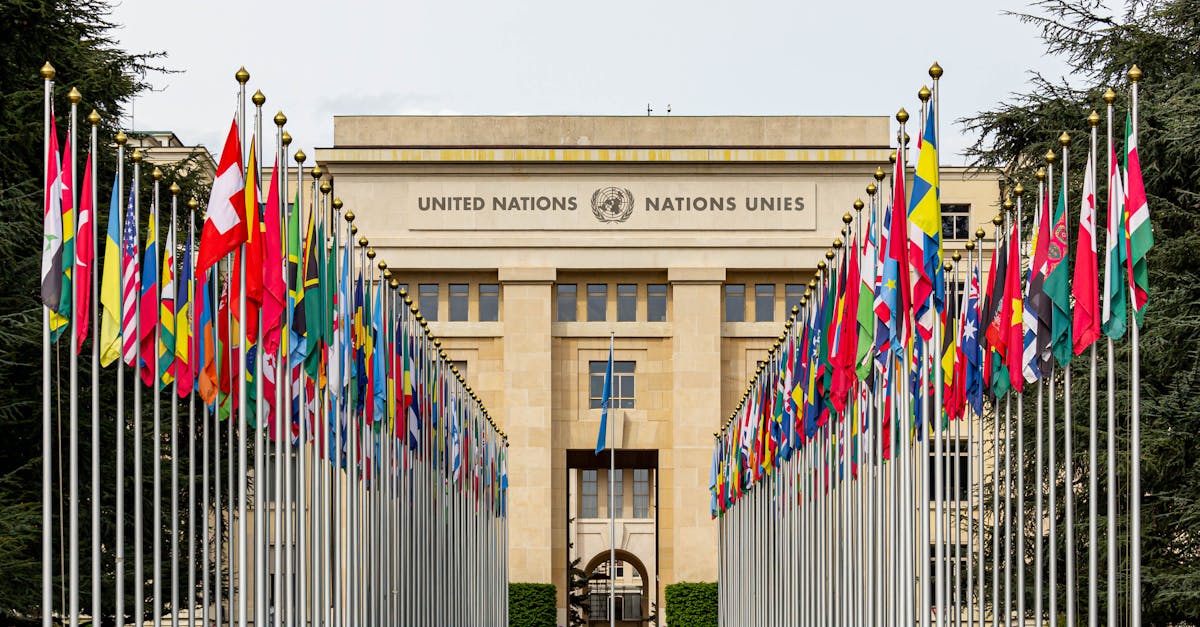
BRICS nations expansion tips Feeling stuck on how to scale your venture beyond familiar borders? The BRICS bloc—Brazil, Russia, India, China, and South Africa—offers a powerful platform for growth, yet each market demands a tailored approach. Below, the most common questions are answered with clear, actionable guidance so you can move forward with confidence.
What are the best BRICS nations expansion tips for startups looking to enter emerging markets?
TL;DR:, directly answering the main question: "What are the best BRICS nations expansion tips for startups looking to enter emerging markets?" Also mention investor tips? The content includes both startup and investor sections. The TL;DR should be concise, factual, specific, no filler. 2-3 sentences. Let's craft: "Startups should map regulatory landscapes, partner with local incubators, launch MVPs in one city, then scale, and use digital payment ecosystems. Investors should diversify into BRICS, focus on sectors with strong incentives (renewable energy in Brazil, fintech in India, high‑tech manufacturing in China), perform macro‑economic and ESG analysis, and rebalance quarterly." That's 2 sentences. That covers both. Let's produce.TL;DR: Start
Updated: April 2026. Startups thrive when they blend local insight with agile execution. First, map the regulatory landscape early; many BRICS economies provide special economic zones that reduce tax burdens for new entrants. Second, partner with a native incubator or accelerator; these networks deliver market‑specific mentorship and fast‑track customer acquisition. Third, adopt a phased rollout: launch a minimum viable product in one city, gather feedback, then scale to additional regions. Finally, leverage digital payment ecosystems that dominate in China and India to simplify transactions for early adopters. By following these steps, startups can reduce entry risk and build momentum quickly. Take the first step today: identify a local accelerator that aligns with your industry and reach out within the next week.
How can investors leverage the latest BRICS nations expansion tips 2026 to strengthen their portfolios?
Investors benefit from a diversified exposure to the BRICS bloc, especially as the 2026 outlook highlights accelerating infrastructure spending and digital transformation. Prioritize sectors where government incentives are strongest—renewable energy in Brazil, fintech in India, and high‑tech manufacturing in China. Conduct a dual‑layer analysis: macro‑economic trends followed by company‑level ESG assessments, which are increasingly tied to access to capital in these markets. Rebalance quarterly to capture emerging opportunities while trimming exposure to over‑valued assets. The result is a resilient portfolio that captures growth without excessive volatility. Action tip: allocate a modest portion of your next investment cycle to a BRICS‑focused fund that meets your risk tolerance.
Which BRICS economies provide the strongest advantages for international trade expansion?
Each BRICS member contributes distinct trade strengths. China offers unmatched manufacturing capacity and logistics networks; India brings a rapidly expanding services export sector; Brazil excels in agricultural commodities; Russia provides energy resources; South Africa serves as a gateway to African markets. The table below summarizes key trade advantages:
| Country | Primary Trade Advantage | Key Incentive |
|---|---|---|
| China | Scale manufacturing and export logistics | Free Trade Zones with reduced tariffs |
| India | Service exports and digital platforms | Tax holidays for tech startups |
| Brazil | Agricultural and bio‑fuel products | Export credit guarantees |
| Russia | Energy and raw materials | Strategic partnership programs |
| South Africa | Access to Southern African markets | Regional trade agreements |
Businesses that align their product line with the most relevant advantage can accelerate market entry and reduce supply‑chain friction. Next move: select the top two trade advantages that match your offering and develop a targeted outreach plan.
In what ways can policymakers incorporate BRICS nations expansion tips into national development plans?
Policymakers shape the environment in which expansion thrives. By embedding BRICS expansion tips into strategy documents, they can streamline visa processes for foreign entrepreneurs, create joint‑venture incentives, and launch cross‑border research grants. Coordinated infrastructure projects—such as rail links between Brazil and Argentina or digital corridors linking India and South Africa—magnify trade potential. Transparent data portals that publish customs procedures and market statistics also lower information asymmetry for investors. When governments adopt these practices, they signal openness and attract higher‑value foreign participation. Consider drafting a policy brief that outlines three concrete incentives to pilot within the next fiscal year.
How does a comprehensive BRICS nations expansion tips guide help businesses navigate common challenges?
A well‑structured guide consolidates regulatory checklists, cultural nuance summaries, and risk‑mitigation frameworks into a single reference point. This reduces time spent searching disparate sources and minimizes costly missteps such as non‑compliant product labeling or missed licensing deadlines. The guide also includes scenario‑planning worksheets that let teams model outcomes under varying exchange‑rate movements and tariff changes. By standardizing preparation, companies can allocate resources to growth activities rather than firefighting avoidable issues. Actionable step: adopt a template from an existing comprehensive guide and customize it for your next target market within two weeks.
What concrete actions should companies take to embed BRICS nations expansion tips into their growth strategy?
Begin with a strategic audit: list current capabilities, identify gaps relative to BRICS market requirements, and rank opportunities by alignment with core strengths. Next, appoint a cross‑functional expansion lead who owns the timeline, budget, and partner ecosystem. Develop a localized value proposition that reflects consumer preferences—such as mobile‑first payment solutions in India or sustainability messaging in Brazil. Launch a pilot program with clear KPIs, gather data, and iterate before full rollout. Finally, institutionalize learning by documenting outcomes and updating the internal playbook after each market entry. Takeaway: schedule a kickoff meeting with senior leadership to approve the audit and set a 90‑day pilot milestone.
Ready to turn insight into action? Choose the market that resonates most with your product, map the first three steps outlined above, and begin the journey toward sustainable growth across the BRICS landscape.
Frequently Asked Questions
What are the best BRICS expansion tips for startups looking to enter emerging markets?
Startups should first map the regulatory landscape to find tax‑friendly special economic zones, then partner with native incubators or accelerators for mentorship and fast customer acquisition, launch a minimum viable product in one city, gather feedback, and scale to additional regions while leveraging local digital payment ecosystems.
How can investors leverage BRICS expansion tips in 2026 to strengthen their portfolios?
Investors should diversify exposure to the BRICS bloc, prioritize sectors with strong government incentives such as renewable energy in Brazil, fintech in India, and high‑tech manufacturing in China, and perform a dual‑layer analysis of macro‑economic trends and company‑level ESG assessments, rebalancing quarterly to capture opportunities and reduce volatility.
Which BRICS country offers the strongest manufacturing advantage for international trade?
China provides unmatched manufacturing capacity and logistics networks, with free trade zones that offer reduced tariffs and streamlined customs processes, making it ideal for scale manufacturing and export logistics.
Which BRICS country is best for services export and digital platforms?
India has a rapidly expanding services export sector, supported by digital platforms and tax holidays for tech startups, making it attractive for service‑based businesses and fintech ventures.
What trade advantage does Brazil provide to international businesses?
Brazil excels in agricultural commodities and bio‑fuel products, offering export credit guarantees and incentives that reduce financing costs for businesses in these sectors.
How can startups reduce entry risk when expanding into BRICS markets?
By mapping regulatory requirements early, partnering with local incubators, launching a phased rollout with MVP testing, and adopting local digital payment solutions, startups can mitigate risk and accelerate growth.
Which sectors should investors prioritize in the BRICS economies?
Investors should focus on renewable energy in Brazil, fintech and digital services in India, high‑tech manufacturing in China, energy resources in Russia, and gateway trade opportunities in South Africa, as these sectors receive strong government incentives and exhibit high growth potential.